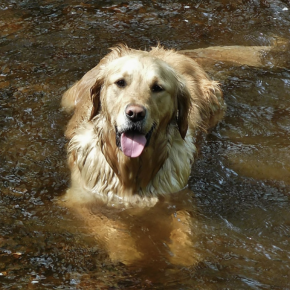
Giardia Risks for Dogs from Puddles and Communal Water Bowls
May 18, 2026


Giardia (Giardia duodenalis) is a microscopic parasite that lives in the intestines of dogs, cats, and even humans. It is one of the most frequent causes of water-borne gastrointestinal upset in the UK, and its hardy cyst form allows it to survive for months in puddles, ponds, or damp soil.
If you suspect your dog may have been exposed, book a consultation now to discuss testing and prevention with our vets in Wells or Weston.
Giardia: the most common water-borne gut upset in dogs
How dogs catch Giardia
Our team at Nurture explain that infection occurs through the faecal-oral route. Dogs pick up cysts by:
- Drinking from contaminated water sources like puddles or park bowls around Somerset or further afield.
- Licking paws after walking through grass or soil where infected animals have defecated.
- Picking up toys or balls that have contacted contaminated surfaces.
Nurture’s team warn that even dogs that don’t appear to eat anything off the ground can become infected this way.
Recognising the signs
Giardia interferes with nutrient absorption, leading to a distinct type of diarrhoea:
- Greasy, pale stools with a strong, foul odour
- Mucus in the faeces
- Weight loss despite normal appetite
- Flatulence and general abdominal discomfort
Symptoms can be intermittent, which makes diagnosis tricky – if you spot any of these signs, call us straight away on Wells 01749 673239 or Weston 01934 511611 to seek prompt advice from our vets at Nurture.
Why Giardia is tricky to manage
Giardia infections can be difficult to manage for two main reasons:
- Intermittent shedding: Infected dogs don’t release cysts in every stool, so multiple samples over several days are often needed for accurate diagnosis.
- Re-infection: Cysts can stick to fur, so dogs may re-ingest them while grooming. Our vets in Wells and Weston often recommend a bath on the final day of treatment to remove residual cysts.
Some strains can be transmitted to humans, so careful hand hygiene and avoiding face-licking are advised until treatment is complete.
How Giardia is treated
Treatment usually combines three key steps:
- Medication: A course of fenbendazole or metronidazole to target the parasite.
- Bathing: Removes cysts clinging to the fur, reducing the chance of re-infection.
- Environmental Cleaning: Bowls, bedding, and toys should be disinfected with a suitable solution or steam-cleaned to eliminate lingering cysts.
Giardia may seem minor, but without prompt treatment it can lead to dehydration, nutrient malabsorption and ongoing discomfort for your dog.
Book a consultation now with our vets in Wells or Weston to check your dog’s health, discuss testing and create a tailored prevention plan for safe outdoor adventures.